

About PyFlex
What is PyFlex?
PyFlex is a collaborative research project involving the Energy Systems and Energy Economics (EEW)
and Pyrolysis and Photovoltaics (PnP) research groups at the Institute for Sustainable Energy Systems (INES) of Offenburg University of Applied Sciences (HSO)
and the Institute for Ecological Economy Research (IÖW) in Berlin.
What does the PyFlex project do?
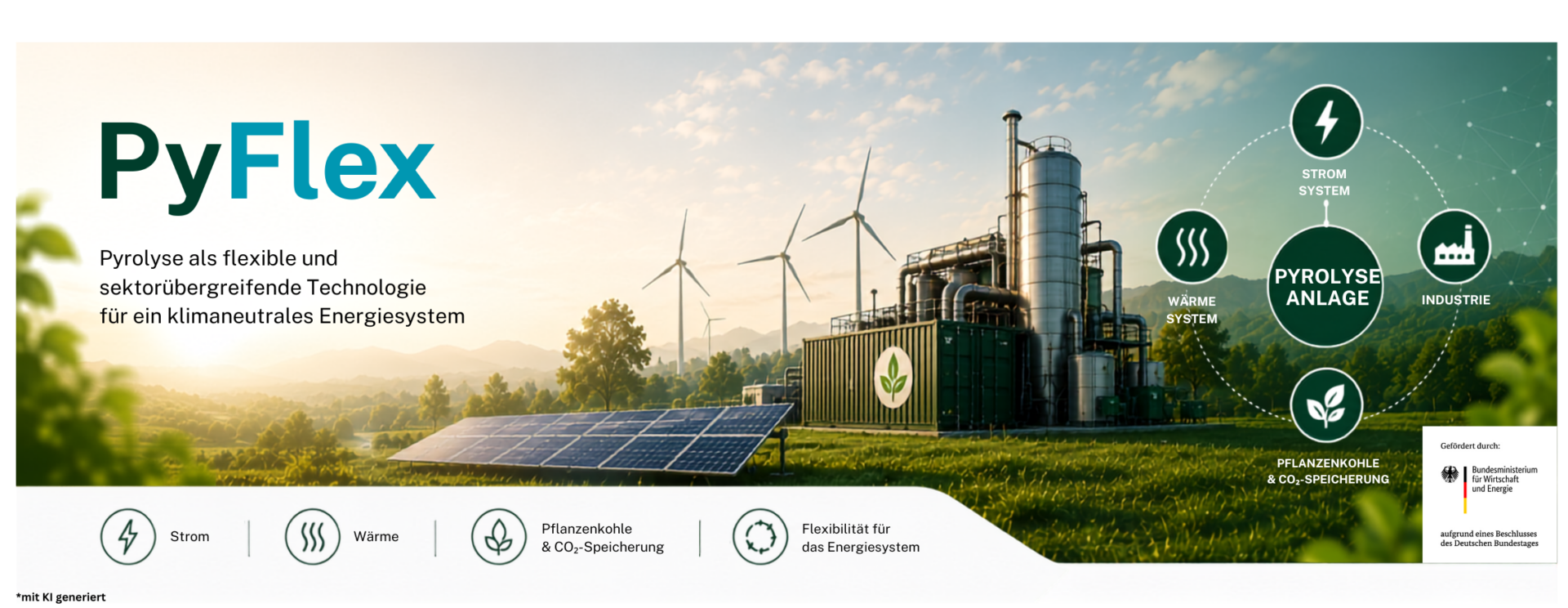
PyFlex investigates the role of pyrolysis as a flexible, cross-sectoral technology in the future energy system. The project's objective is to systematically analyze and evaluate the potential of pyrolysis plants to provide flexibility for both the electricity and heat sectors. To achieve this, the project combines several complementary approaches:
- detailed energy system modeling,
- a digital twin of a pyrolysis plant,
- techno-economic analysis, and
- environmental assessment.
A particular focus is placed on the interactions between the technology, the energy system, economic viability, and environmental impacts. The project also examines how pyrolysis compares with other flexibility options and the role it can play in a climate-neutral energy system.
What is the motivation?
The motivation behind PyFlex is the need to develop innovative technologies that support decarbonization and the achievement of climate targets. Pyrolysis offers significant potential because it not only provides renewable energy in the form of electricity and heat but can also permanently remove CO₂ from the atmosphere by storing it in the form of biochar. At the same time, the increasing share of variable renewable energy sources is creating a growing demand for flexibility across the energy system. Despite this potential, pyrolysis has received little attention as a flexible, cross-sectoral technology. PyFlex addresses this research gap by providing a holistic assessment of the technology and evaluating its role in the future climate-neutral energy system.
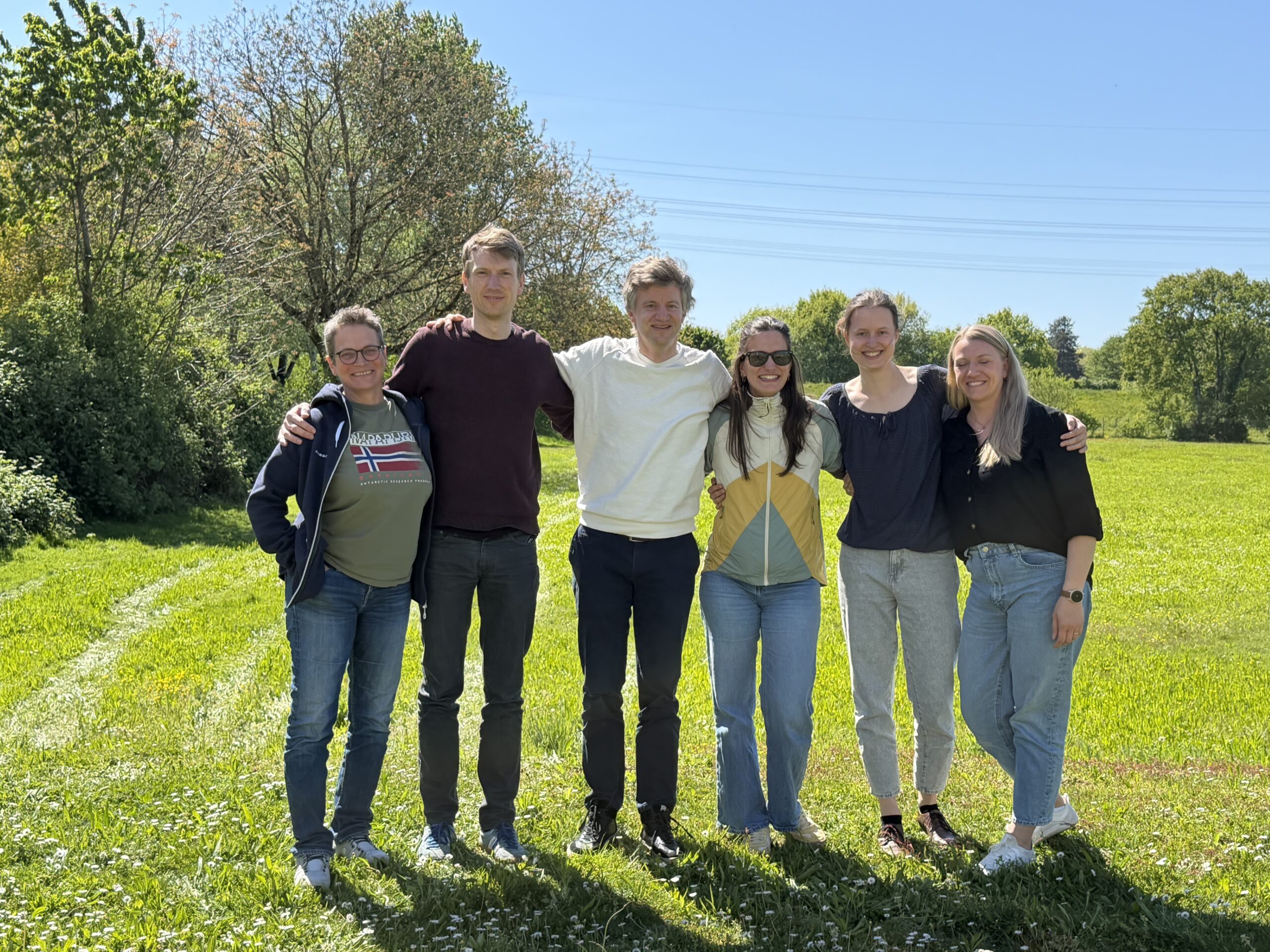
From left to right: Heide Biollaz (HSO), Hannes Bluhm (IÖW), Niklas Hartmann (HSO), Meritxell Domènech Monfort (HSO), Monika Orlowski (IÖW), Anna Sandhaas (HSO)
Image source: Hochschule Offenburg
Team HSO

Meritxell Domènech Monfort

Anna Sandhaas

Prof. Dr. Daniel Kray

Prof. Dr. Heide Biollaz

Dr. Prof. Niklas Hartmann
Team IÖW

Hannes Bluhm

Monika Orlowski
Partners

Offenburg University of Applied Sciences (HSO) is a member of the European University
Association (EUA), which brings together research-intensive universities from across Europe. It maintains six
publicly recognized research profiles, including its flagship research area "Sustainable Energy Systems".
The Institute for Sustainable Energy Systems (INES), founded in 2012, is an interdisciplinary research institute
that brings together 11 professors and their research teams across six research groups. INES currently conducts more than 30 research
and development projects covering battery technology, electromobility,
energy economics, building energy systems, photovoltaics, smart grids, and biochar.
Within the PyFlex project, HSO investigates how a generic pyrolysis model can be developed as a digital twin to represent and optimize flexible operating configurations. In addition, the university expands the heat sector representation within the energy system model and integrates pyrolysis to evaluate its system-wide benefits and its potential as a flexible technology.

The Institute for Ecological Economy Research (IÖW) is one of Germany's leading research institutes for applied sustainability research. It develops strategies and practical approaches for a sustainable economy that enables a high quality of life while preserving natural resources. IÖW is one of Germany's leading research institutes for applied sustainability research. It develops strategies and practical approaches for a sustainable economy that enables a high quality of life while preserving natural resources.
Within its research area Sustainable Energy Systems and Climate Protection, IÖW conducts studies and assessments on the development and evaluation of energy systems, energy efficiency technologies, renewable energy technologies, and related policy instruments. Its interdisciplinary and transdisciplinary research approach brings together expertise from economics, engineering, sociology, and the natural sciences.