
About Ind-Supply
What is Ind-Supply?
Ind-Supply is a collaborative research project involving the Energy Systems and Energy Economics (EEW) research group at the Institute for Sustainable Energy Systems (INES) of Offenburg University of Applied Sciences (HSO), the Fraunhofer Institute for Solar Energy Systems ISE in Freiburg, the Stuttgart University of Applied Sciences (HFT), Karlsruhe University of Applied Sciences (HKA), Greenventory GmbH (GRE), and Prognos AG (PRO) in Berlin.
What does the Ind-Supply project do?
The Ind-Supply project focuses on identifying decarbonization and electrification opportunities in German industry by expanding energy system models and developing a comprehensive analysis framework. Its main objectives are to:
- establish a consistent database of electrification and flexibility potentials,
- identify industrial transformation pathways through quantitative energy system modeling, and
- integrate the drivers and barriers of sector coupling into practical solutions for industrial applications.
What is the motivation?
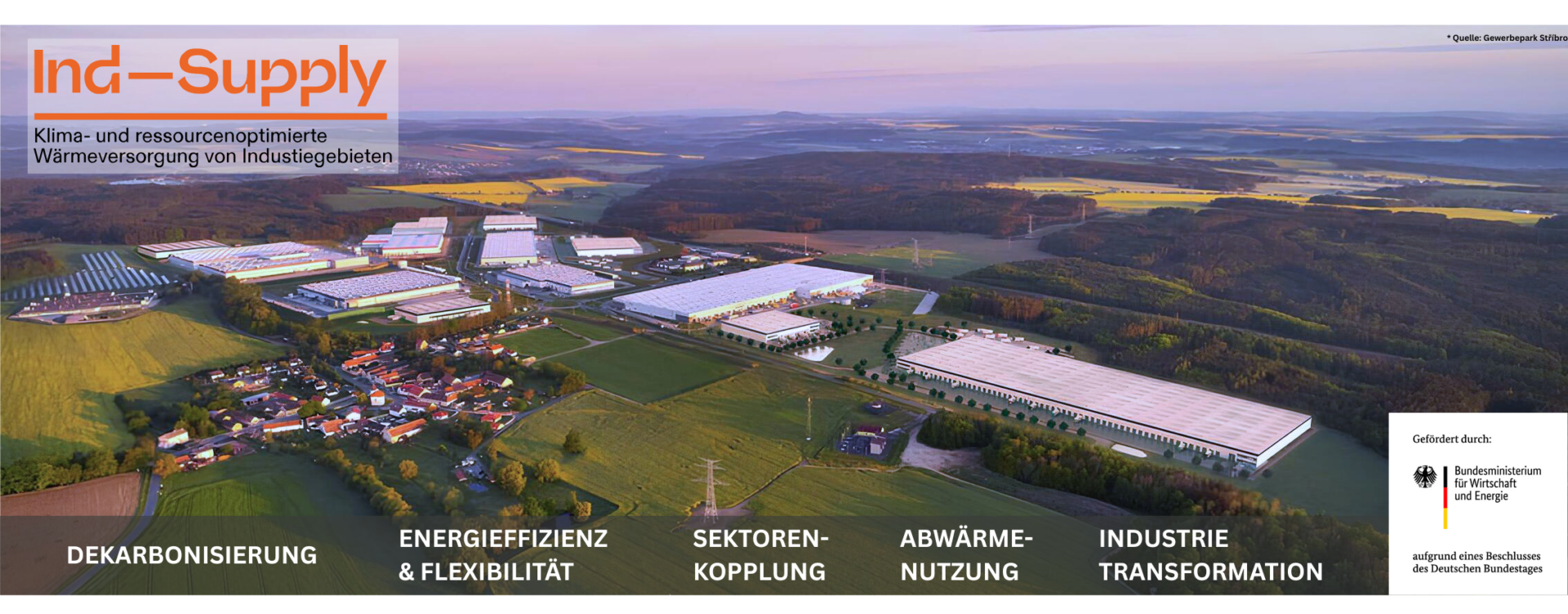
Industrial areas are highly heterogeneous in terms of their energy demand and face the challenge of transforming their heat and electricity supply in an environmentally sustainable, cost-effective, and future-proof manner—often without having the necessary in-house expertise. At the same time, municipalities are increasingly required to incorporate industrial areas into local heat planning, driven by evolving legislative requirements.
The growing range of available technologies—from heat pumps to hydrogen networks—together with opportunities for industrial cooperation, such as the utilization of waste heat, significantly increases the complexity of planning and decision-making.
Ind-Supply addresses these challenges by developing a planning tool that supports municipalities and planners in the holistic, evidence-based design of energy-efficient industrial areas.
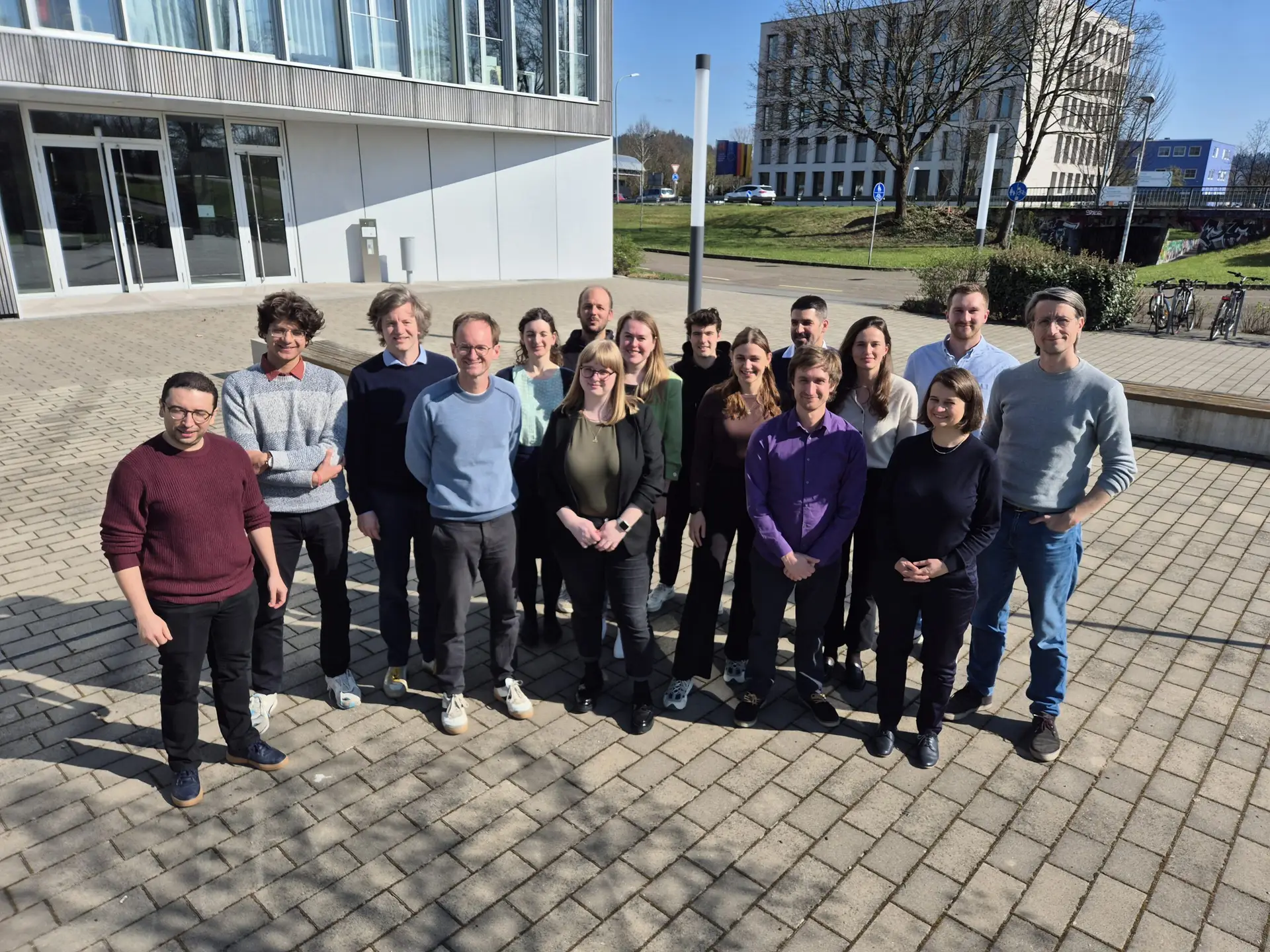
From left to right: Amine Aamoume (HSO), Mehul Vijay (HSO), Bastian Schroeter (HFT), Jessica Thomsen (ISE), Eileen Raußen (HFT), David Fisher (GRE), Ayla Borgmann (BRE), Lars Felder (GRE), Celia Stoll (HFT), Tobias Reuther (ISE), Christoph Jessen (PJT), Katja Schulze (HFT), Constanze Bongs (HKA), Philipp Kötter (HKA), Alexander Piégsa (PRO)
Image source: Hochschule Offenburg
Team GRE

Lars Felder

David Fisher
Team HFT

Eileen Raußen

Katja Schulze

Prof. Dr. Christina Simon-Philipp
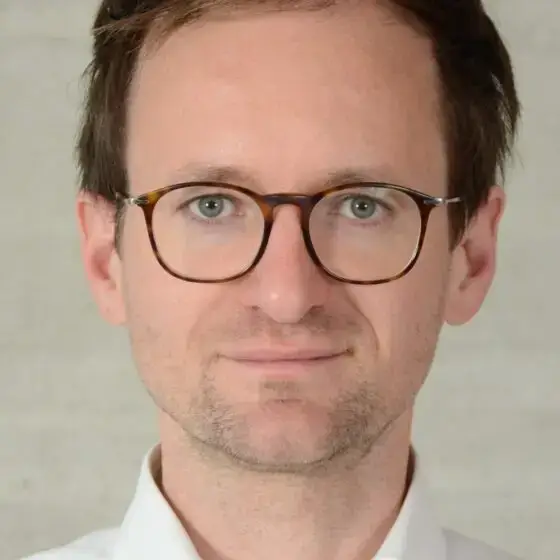
Prof. Dr. Bastian Schroeter
Team HKA

Philipp Kötter
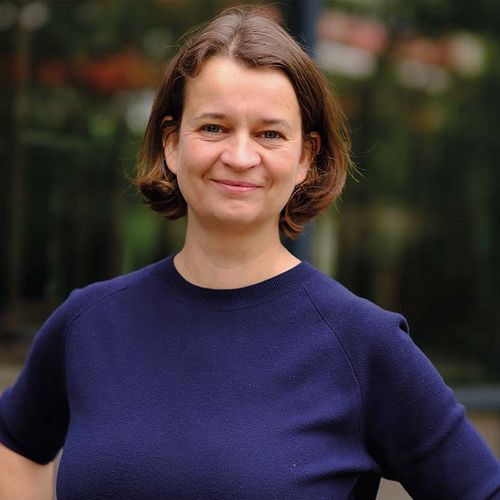
Prof. Dr. Constanze Bongs
Team HSO

Mehul Vijay

Amine Aamoume
Prof. Dr. Rainer Gasper
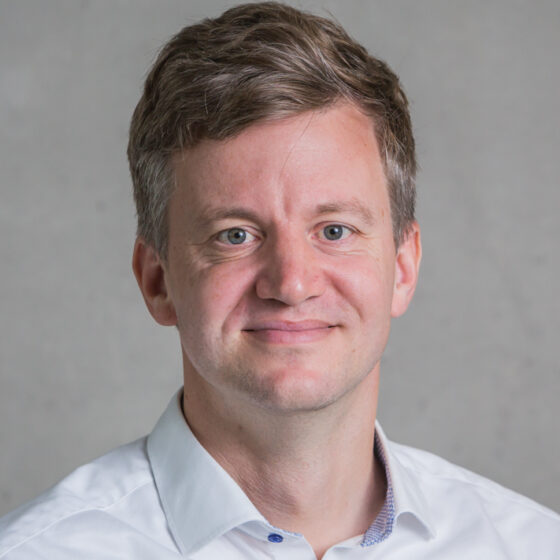
Dr. Prof. Niklas Hartmann
Team ISE

Tobias Reuther

Markus Kaiser

Charlotte De Vries

Jessica Thomsen
Team PRO
Sascha Sokoliuk
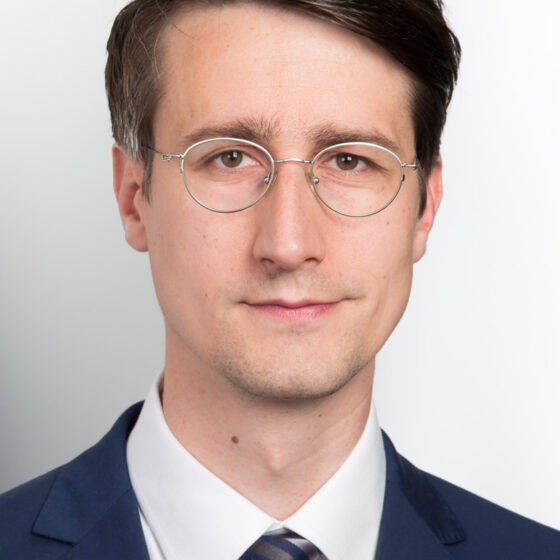
Alexander Piegsa
Partners

As part of the "Ind-Supply" project, Greenventory develops digital methods and tools for efficient data collection and energy planning in industrial areas. This includes the development of GIS-based solutions and digital twins, the application of artificial intelligence for automated data collection, the creation of energy models for potential analyses, and the development of a mobile app and digital planning tool for the preliminary energy planning of industrial sites.

The Stuttgart University of Applied Sciences (HFT) is one of the leading research-intensive Universities of Applied Sciences in Baden-Württemberg. With 48 national and international research projects and 77 research staff members, it is active in two major research areas: "Future-Oriented Planning, Building, and Management" and "Smart Technologies, Processes, and Methods".
The research area "Future-Oriented Planning, Building, and Management" addresses key challenges of urban development, including increasing urbanization, sustainable resource management, demographic change, and social participation. Its goal is to develop sustainable, climate-resilient, and livable cities. This research area also includes the two competence centers participating in Ind-Supply: the Center for Sustainable Energy Technology (zafh.net) and the Center for Sustainable Urban Development (ZNS).
With approximately 7,000 students and €12.5 million in third-party research funding (2021), Karlsruhe University of Applied Sciences (HKA) is one of the leading Universities of Applied Sciences in Baden-Württemberg. Its research focuses on the areas of resources, work, mobility, and information, coordinated through eleven central research institutes.
The Institute of Refrigeration, Air Conditioning and Environmental Engineering (IKKU) is responsible for the practice-oriented aspects of the Ind-Supply project. HKA has been conducting research in refrigeration technology since 1950. Today, IKKU comprises ten professorships, six of which have a dedicated research focus, and secures approximately €2.5 million in annual third-party funding. Its research areas include sustainable refrigeration, air conditioning and heat pump technologies, compressor technology, energy system analysis, natural refrigerants, and thermal energy storage.
Within Ind-Supply, HKA develops decentralized energy supply solutions for companies located in industrial and commercial areas and investigates their interaction with the optimization of the entire district. A particular focus is placed on identifying and classifying industrial waste heat potential, its on-site utilization, and the export of surplus waste heat. The objective is to provide practical technical solutions and decision-support tools for industrial decarbonization.
W: h-ka.de

Offenburg University of Applied Sciences (HSO) is a member of the European University Association (EUA) and is recognized as one of Germany's research-intensive Universities of Applied Sciences. It maintains six publicly recognized research profiles, including its flagship research area Sustainable Energy Systems.
The Institute for Sustainable Energy Systems (INES), founded in 2012, is an interdisciplinary research institute that brings together 11 professors and their research teams across six research groups. INES currently conducts more than 30 research and development projects covering battery technology, electromobility, energy economics, building energy systems, photovoltaic technology, smart grids, and biochar.
Within the Ind-Supply project, two INES research teams are working to identify and evaluate industrial waste heat potential and to analyze decarbonization technologies for German industrial areas from an energy systems perspective.
Within the "Ind-Supply" project, Fraunhofer ISE further develops the energy system model by incorporating the latest research on high-temperature heat pumps, grid interactions, and infrastructure requirements. The institute also evaluates the role of district heating networks and industrial waste heat, develops a nationwide climate neutrality scenario for Germany, and integrates the project results into a digital planning tool for preliminary energy planning.

Prognos AG supports the development of a regionalization approach for the nationwide climate neutrality scenario by adapting it to the specific characteristics of Germany's federal states and districts while ensuring a consistent assessment across regions. The company also harmonizes the model with existing statistical datasets to enable a seamless transition to forecast data. In addition, Prognos estimates industrial waste heat potential at the district level based on regional industrial structures and process-specific waste heat assessments.